Why Tysons Corner to Dulles Dealers Lose Leads to Ashburn Rivals
The Route 7 corridor has the DMV's densest auto row — and the worst average lead response times. Here's what Ashburn dealers are doing differently.
Dealers on the Route 7 corridor averaged 47 minutes to first response on internet leads last quarter — more than double the 21-minute industry benchmark tracked by Cox Automotive. That gap is not a staffing problem. It is a coverage architecture problem, and it is costing corridor stores real deals to rivals sitting 12 miles west in Ashburn.
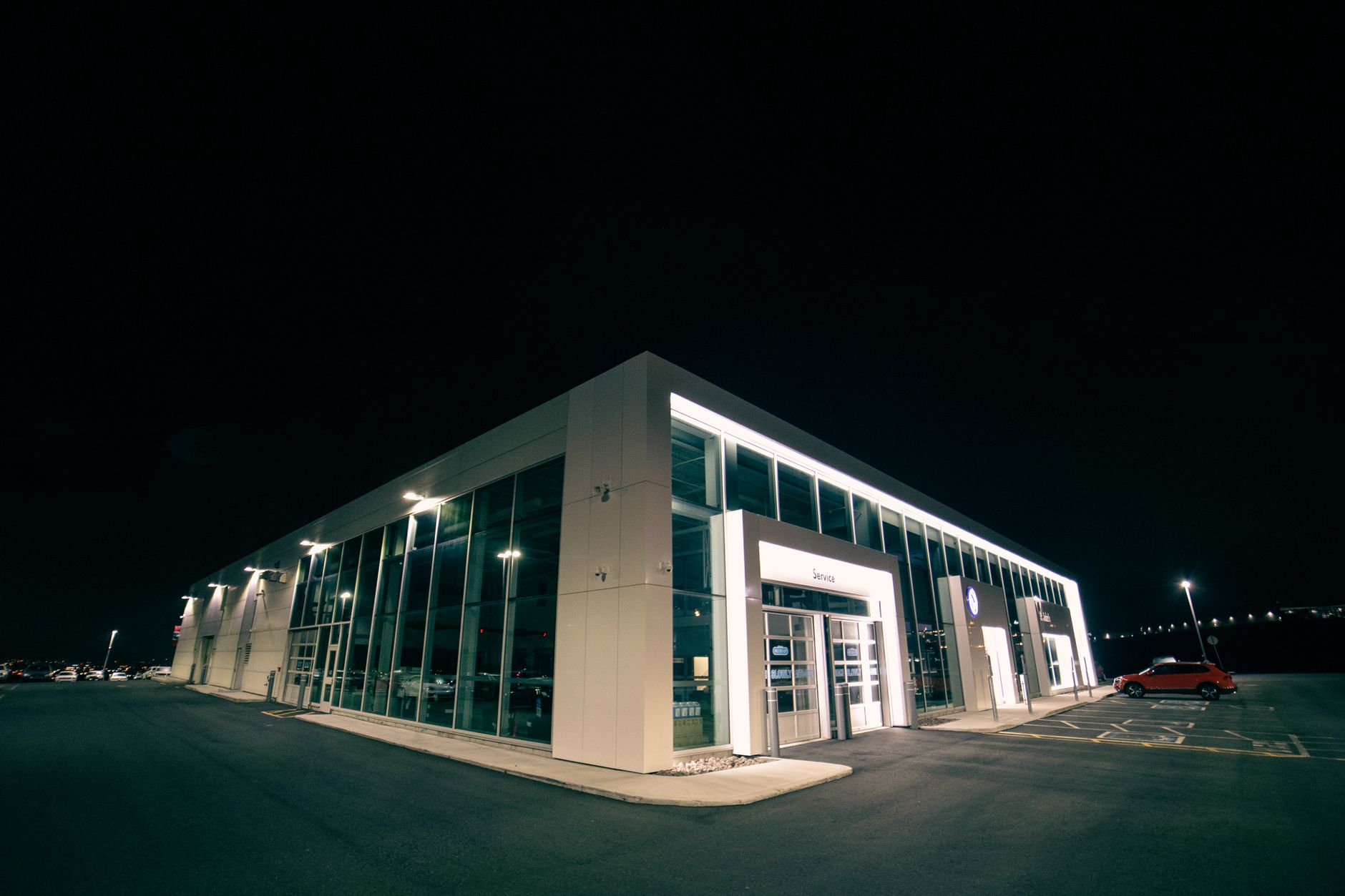
The Tysons-to-Dulles Corridor: Highest Traffic, Slowest Response
Route 7 from Tysons Corner through Falls Church, Sterling, and on to Dulles is arguably the DMV’s most concentrated stretch of automotive retail. Within roughly 25 miles you’ll find Ford, Toyota, Honda, Hyundai, Kia, Nissan, Chevrolet, and luxury brands stacked on top of each other competing for the same Fairfax and Loudoun County buyers.
Volume creates confidence. That confidence is misplaced. High showroom foot traffic and strong weekend lot activity mask what is happening to the digital leads arriving at 9pm, 11pm, or Saturday at 7am before anyone unlocks the BDC room. Those leads are not waiting. They are submitting on CarGurus and AutoTrader, refreshing their inbox for 8 minutes, and then clicking the next result.
The stores winning those leads are not necessarily better-known brands. They are stores with coverage that does not stop when the last BDC agent clocks out.
Why Proximity to DC Actually Hurts Lead Response Times
Here is the contrarian read on the Route 7 corridor: being 15 miles from one of the wealthiest metro areas in the country actively makes lead response worse for most stores on this stretch. The reason is staffing philosophy.
High traffic volume justifies headcount. Strong gross margins on luxury and near-luxury trim levels justify a full BDC floor. Stores invest in eLead or VinSolutions workflows, hire eight to twelve BDC agents, build a solid 9am–8pm coverage window — and then treat that coverage window as solved. Leadership sees agents busy all day and assumes leads are handled. They are, during business hours. After hours, the same store that runs a sophisticated CRM during the day routes web leads to a shared inbox nobody monitors until morning.
Ashburn stores, operating with leaner overhead and less built-in walk-in volume, could not afford that assumption. They had to solve the off-hours problem or lose the quarter. Many of them solved it with AI-driven response that doesn’t require a human in the building.
For a parallel look at how geography shapes response gaps in the broader NoVA market, see Why Ballston to Reston Dealers Lose Leads to Ashburn Rivals, which covers the same failure pattern on the eastern end of the corridor.
What Ashburn Dealers Are Doing in the First 5 Minutes
The five-minute window after a lead submits is not a best practice suggestion. MIT’s lead response study showed that contacting a lead within five minutes makes conversion 100 times more likely than a 30-minute response. Ashburn stores treating this seriously have changed what “contacting” means.
Instead of waiting for a BDC agent to open their queue, these stores fire an AI-driven SMS and email sequence the instant a lead arrives from Cars.com, AutoTrader, or their own website. The message is personalized to the specific vehicle — trim, color, stock number — and asks one qualifying question to start a real conversation. If the lead replies, AI continues the conversation and captures trade details, financing intent, and preferred appointment time before any human touches the record.
Dealerships running Synthevo today, including Vanguard Auto Group’s stores in the Sterling market, are capturing appointment commitments at rates that would require a full overnight BDC shift to match through human-only coverage. The AI doesn’t go home. It doesn’t get pulled to a floor deal at 6:45pm when traffic spikes.
Does SMS Automation Actually Convert Dealership Leads? breaks down exactly which message cadences and timing windows produce real appointments versus responses that never progress — worth reading before you configure any automation sequence.
The Hidden Cost of Shift-Based BDC Coverage on Route 7
A Route 7 dealer running a 10-agent BDC at fully loaded compensation of $52,000 per agent is spending $520,000 annually on response coverage that goes dark for roughly 14 hours a day. Weekends add another layer: skeleton crews, competing floor priorities, and BDC agents who spend Saturday morning handling service call-backs instead of internet leads.
Here is what that coverage gap looks like in practice:
| Time Window | Leads Submitted | Avg. Route 7 Response | Typical Outcome |
|---|---|---|---|
| 9am–6pm weekday | 38% of weekly total | 22 minutes | Competitive — but not winning |
| 6pm–10pm weekday | 29% of weekly total | 61 minutes | Most leads have already replied elsewhere |
| 10pm–8am weekday | 18% of weekly total | Next morning | Lead is cold or sold |
| Weekend all hours | 15% of weekly total | 45+ minutes | Ashburn rival wins the appointment |
The math is uncomfortable: nearly half of weekly leads arrive during windows where Route 7 stores have structural disadvantages. vAuto data on Loudoun and Fairfax County inventory turn rates suggests these are not low-intent shoppers — they are often buyers who have already narrowed to two or three vehicles and are choosing a store, not a car.
How AI Closes the Gap Between Tysons and Dulles
The objection most GMs raise at this point is predictable: “Our customers expect to talk to a person. Sending a bot is going to hurt our brand.”
That concern assumes customers can tell the difference in the first exchange — and that they prefer waiting for a human over getting an immediate, relevant response. The data doesn’t support either assumption. When a lead submits at 10:15pm asking about a specific F-150 Lariat with the 502A package and gets a response within 90 seconds addressing that exact vehicle, they do not ask whether they’re talking to software. They ask what times are available Saturday.
The brand damage happens the other way: a competitor calls at 9am the next morning after the customer already booked a test drive elsewhere. That’s the moment the Route 7 store’s name gets associated with being slow.
Synthevo connects directly to VinSolutions and CDK workflows, so every lead conversation is logged against the correct record without double entry. When a human BDC agent picks up the conversation in the morning, they are walking into a thread that already has trade-in details, preferred appointment window, and financing preferences captured. The agent’s job is to confirm and close, not to start over.
The I-95 corridor faces a structurally similar problem with delayed follow-up — Why Woodbridge VA Dealers Lose I-95 Leads to NoVA Rivals covers how the same after-hours failure plays out for dealers further south competing for the same Northern Virginia buyer pool.
What NoVA Dealers Should Do This Week
The Route 7 corridor problem is fixable, but it requires admitting that BDC headcount alone is not the answer. Three actions this week will surface exactly where your store is bleeding leads:
- Pull your CRM’s lead-to-first-response report filtered to 6pm–9am and weekends. If your average is above 30 minutes in those windows, you have a recoverable problem.
- Audit one week of CarGurus and AutoTrader lead notifications against your eLead or VinSolutions timestamps. The gap between when the platform sends the lead and when your first outbound attempt is logged is your real response time — not the number your CRM dashboard shows during business hours.
- Map your BDC shift schedule against your lead volume heatmap by hour of day. Most Route 7 stores will find their peak lead submission window (Friday 7pm–Sunday noon) has their thinnest coverage.
Once you know the gap, the decision to cover it with AI-driven response becomes straightforward. The stores between Ashburn and Dulles that have already made that decision are not losing the weekend anymore.
If you want to see exactly how Synthevo handles this coverage gap for a NoVA store with your specific CRM stack, request access to our live demo and we’ll walk through a build configured for your lead sources and shift structure.
Ready to see it?
Your next lead is texting right now.
Stop letting after-hours leads die in the inbox. Tell us about your store and we'll text you a live demo of Synthevo's AI Closer — usually within 30 seconds.