Why Loudoun County Dealerships Lose Leads to Prince William Rivals
Loudoun County car dealers sit in one of the wealthiest DMV zip codes—yet Prince William rivals are stealing their leads. Here's the speed gap killing your BDC.
Loudoun County holds the title of the wealthiest county in the United States by median household income—$147,000-plus. Dealers operating between Tysons Corner and Dulles should be printing money. Many are not. The reason is speed: the average dealership BDC takes 38 minutes to answer an inbound internet lead, and in Loudoun, that gap is fatal.
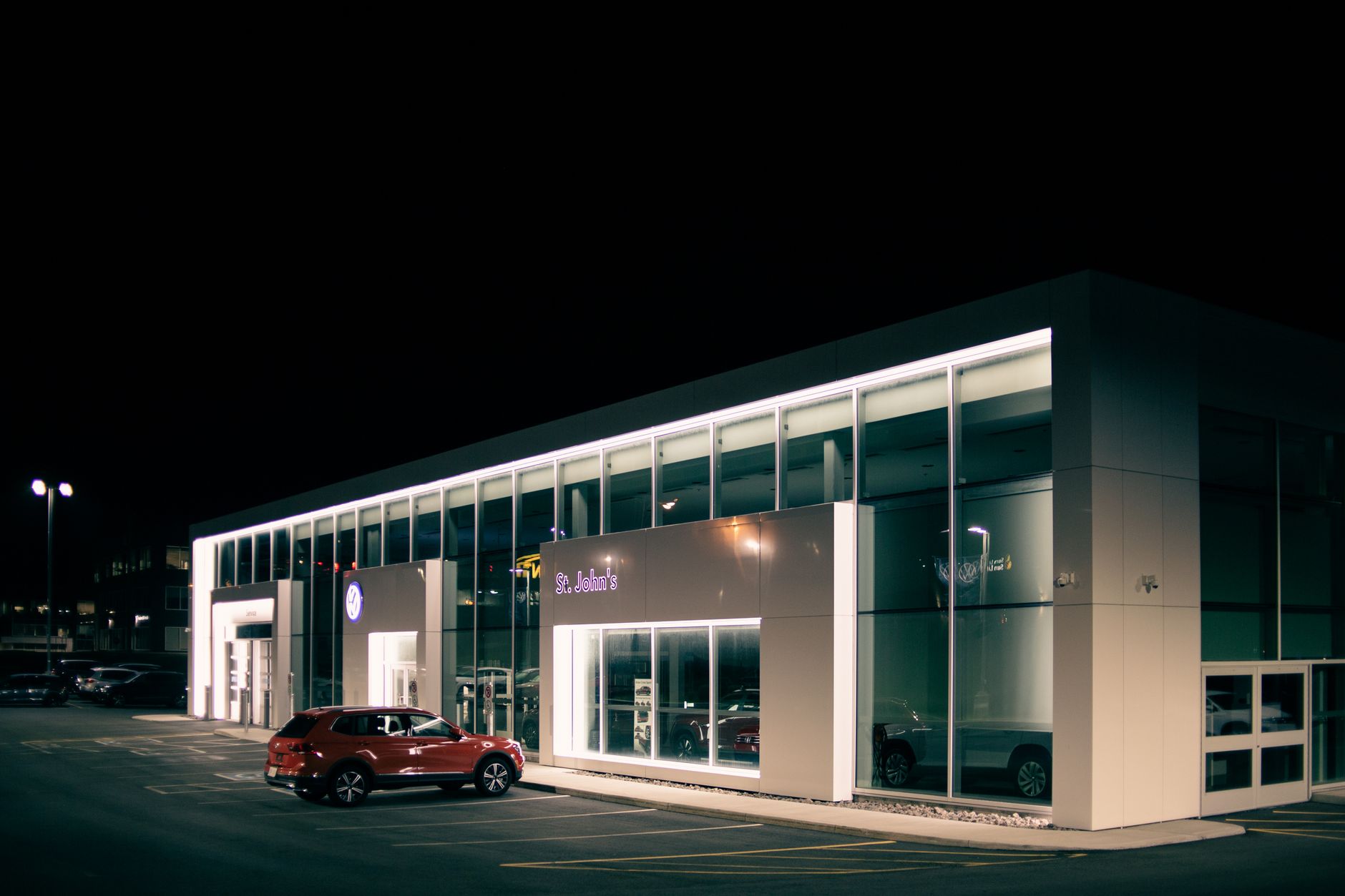
The Loudoun County Dealer Paradox: High Income, High Lead Bleed
Loudoun dealers have every structural advantage: a buyer base with serious purchasing power, proximity to major commuter corridors, and a housing market that keeps moving new residents into the county every quarter. The Ashburn and Dulles tech corridor alone funnels thousands of dual-income households into ZIP codes where a $65,000 truck is a reasonable Saturday purchase.
Yet the same dealers watch their CarGurus and Cars.com inquiry volume climb while their appointment-set rates stagnate or fall. The leads are arriving. The closings are not keeping pace. The gap lives almost entirely in what happens in the first 30 minutes after a form submission.
If you’ve read anything about the I-95 corridor’s version of this problem, Why Woodbridge VA Dealers Lose I-95 Leads to NoVA Rivals shows the same pattern playing out in Prince William — which is exactly why Loudoun dealers should be paying attention.
Who’s Actually Shopping for Cars in Loudoun Right Now
The Loudoun buyer is not browsing casually. Cox Automotive’s most recent car buyer journey data shows that the average buyer visits fewer than two dealerships in person — down from five a decade ago. By the time a Loudoun resident submits a lead on AutoTrader or VinSolutions-connected inventory, they have already done two to four weeks of online research. They know the trim. They know the competing offer. They are not starting a conversation; they are asking for a reason to commit.
These buyers are also mobile-first and time-compressed. A Salesforce contractor in Ashburn submitting a lead at 11:47 a.m. on a Tuesday is doing it between meetings. They will not wait 38 minutes. They will not wait 15 minutes. The next competitive response in their inbox wins the appointment.
The demographic that makes Loudoun so attractive to dealers is the same demographic that comparison-shops fastest, expects the fastest response, and is least tolerant of a BDC agent who calls two hours later with “I just wanted to follow up on your inquiry.”
The Prince William Speed Advantage (And Why It’s Not About Price)
Here is the contrarian read that most consultants won’t give you: Loudoun County’s wealth is actively hurting its dealerships. High-income shoppers move faster, not slower. They have more purchasing options, more devices, and less patience for friction. The richest market in the DMV punishes a slow BDC more brutally than any other corridor in the region.
Meanwhile, dealers in Woodbridge, Manassas, and Dale City have spent the last two years shoring up their lead response infrastructure precisely because they know they cannot win on demographics. Some are running AI-assisted follow-up that texts and emails a prospect within 60 seconds of form submission. By the time a Loudoun BDC agent circles back at the 40-minute mark, the Prince William store has already had two exchanges with the same shopper and suggested a specific appointment slot.
The competitive threat is not about Prince William offering a lower price. It’s about Prince William getting to the conversation first — and a buyer who has already scheduled a test drive somewhere else is functionally gone.
What a 5-Minute vs. 30-Minute Response Looks Like on a $65K Lead
Run the math on a single F-Series or Suburban lead at $65,000 gross vehicle price. At a conservative 4% front-end gross, that deal is worth roughly $2,600 in profit. Loudoun dealers average somewhere between 12 and 22 internet leads per rooftop per week, depending on inventory mix and ad spend.
If 30% of those leads go cold before the BDC makes first contact — which is consistent with what eLead and VinSolutions reporting surfaces in accounts with response times over 20 minutes — a 10-rooftop group is dropping real money every single week, not to price compression but to latency.
The five-minute response benchmark is not arbitrary. Harvard Business Review published research showing leads contacted within five minutes are 100 times more likely to connect than those contacted after 30 minutes. The math applies to car buyers the same way it applies to any considered purchase with multiple competitors available at the moment of intent.
The Three Loudoun Dealership Archetypes (And Which One You Are)
After working with dealers across the DMV corridor, three patterns emerge consistently:
- The Legacy BDC Store. Has a full BDC team, tracks response time in eLead or VinSolutions, and believes the numbers are better than they are. Average actual first-response time, when measured against CRM timestamps, runs 25–45 minutes. The team is good. The volume is too high for the headcount.
- The Rooftop-Heavy Group. Has 8–20+ locations, consistent processes across maybe half of them, and genuine variance in BDC quality by store. One location in Sterling responds in six minutes. Another in Leesburg sits at 52. The group average looks acceptable. The Leesburg store is bleeding.
- The Solo Open-Point. One rooftop, 3–5 BDC reps, and a manager who personally covers gaps. Response time is personality-dependent. When the best rep is off, the store’s lead response falls apart. Nights and weekends are especially exposed.
The dealers similar to Vanguard Auto Group — a multi-rooftop operation in Sterling, VA — who are running Synthevo today found the rooftop-to-rooftop variance problem most acute. Early results showed stores that had normalized AI-assisted first contact were setting appointments on leads that previously would have gone unanswered past the 30-minute window.
How AI Closes the Gap Without Adding BDC Headcount
The direct objection from most GMs at this point: “We tried an AI chatbot two years ago and it frustrated customers more than it helped.”
Fair. First-generation automotive chatbots were essentially FAQ widgets with a lead capture form bolted on. They could not handle a buyer who wanted to know if the Carbonized Gray Maverick in stock had the tow package. They escalated poorly and often created more work for the BDC than they absorbed.
Modern AI lead response is a different category. Tools like Synthevo are not answering questions about inventory from a static database — they are handling the first-contact conversation across SMS and email, qualifying intent, surfacing the right vehicle, and booking appointments directly into the CRM before a human BDC agent ever picks up the file. The BDC’s job shifts from cold outreach to warm confirmation. That is a task BDC agents are substantially better at and substantially more motivated to do.
For dealers already running CDK or Reynolds as their DMS, the integration question is solvable. Synthevo connects with VinSolutions and eLead on the CRM side. The workflow change is smaller than most GMs expect.
You can also read how Why Ballston to Reston Dealers Lose Leads to Ashburn Rivals frames the same speed problem for the Corridor corridor north of I-66 — the infrastructure fix is identical regardless of which Loudoun or Arlington ZIP code you’re operating in.
If you want to go deeper on the SMS side of the equation, Does SMS Marketing Automation Work for Car Dealerships? walks through the channel-specific data that applies directly to your BDC workflow.
What Loudoun Dealers Should Do This Week
The actions are not complicated. The urgency is real.
First, pull your actual first-response time from VinSolutions or eLead for the last 30 days, filtered by internet leads. Not the number your BDC manager quotes from memory — the timestamp data. If the median is above 10 minutes, you have a documented revenue problem.
Second, check your after-hours coverage. Most Loudoun stores field leads between 7 p.m. and midnight that don’t receive a human response until the following morning. That is a 10-hour window where Prince William stores with AI coverage are having the first conversation on your leads.
Third, talk to your BDC team honestly about volume. If each rep is handling more than 60–80 active leads simultaneously, response quality degrades regardless of individual motivation. Headcount additions take months. AI-assisted first contact scales in days.
The Tysons-to-Dulles corridor is competitive enough that a 35-minute response lag is not a minor inefficiency — it is a structural disadvantage being exploited by rivals who figured this out before you did.
When you’re ready to see how Synthevo handles first contact on a live lead for your store, request access to our live demo and we’ll show you exactly what the shopper experience looks like from submission to booked appointment.
Ready to see it?
Your next lead is texting right now.
Stop letting after-hours leads die in the inbox. Tell us about your store and we'll text you a live demo of Synthevo's AI Closer — usually within 30 seconds.