Why Alexandria VA Dealerships Lose Leads to the Suburbs
Alexandria VA dealerships compete with Fairfax and Loudoun rivals for the same shoppers. Here's how AI lead response closes the gap before a competitor does.
MIT research on lead response time put the number at five minutes. Contact a prospect within five minutes and you’re 100 times more likely to reach them than if you wait 30. Most Alexandria VA dealerships already know this stat. Most still aren’t hitting it — and the Fairfax County stores on the other side of the Beltway are.
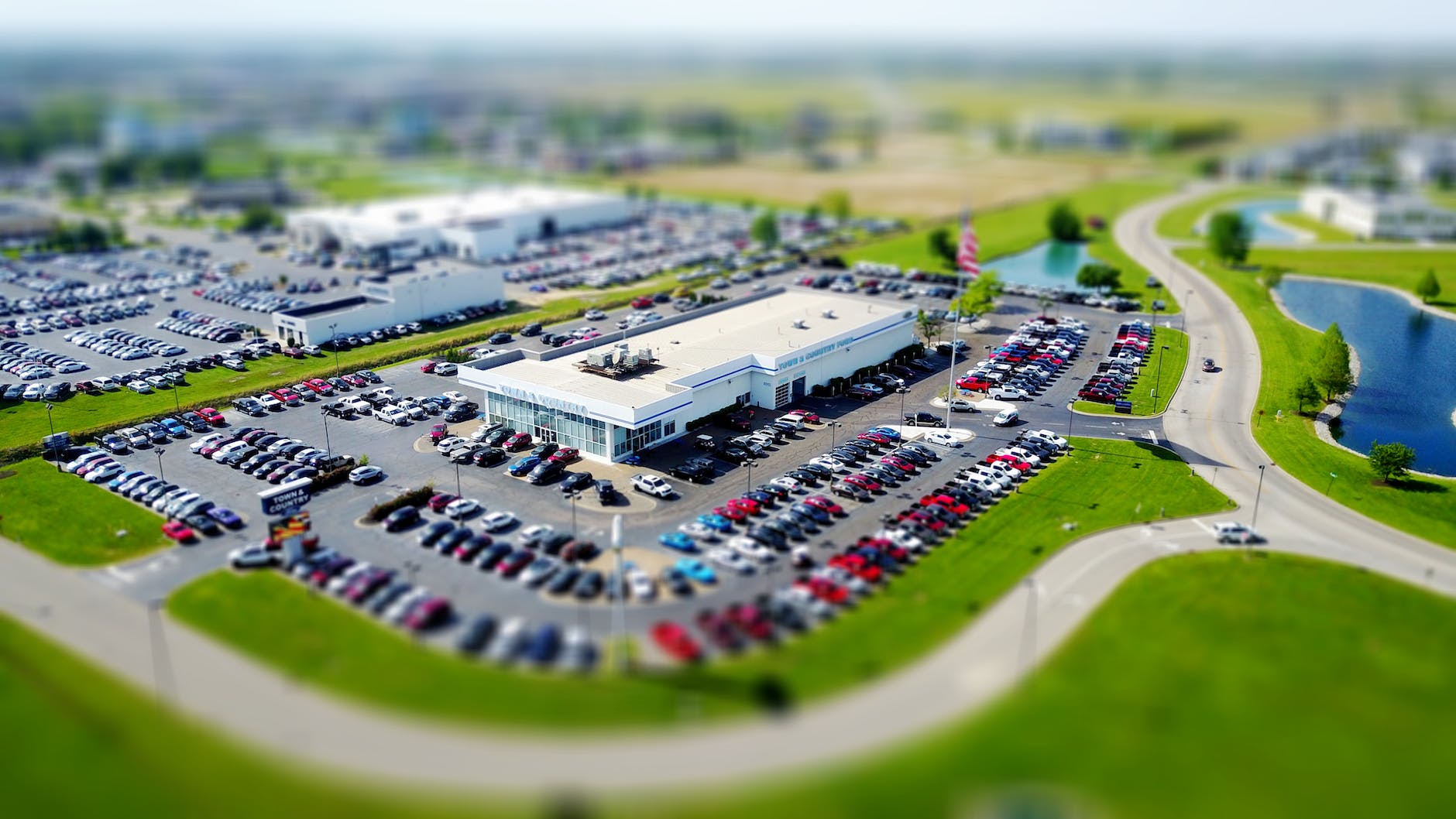
The Alexandria Auto Market: High Traffic, High Competition
Alexandria sits at an awkward intersection — dense enough that foot traffic and brand awareness should be advantages, but hemmed in by some of the most aggressive suburban dealerships in Virginia. Buyers in Alexandria zip codes are simultaneously browsing stores in Fairfax, Springfield, Woodbridge, and Loudoun County. A shopper who submits a CarGurus lead from a condo in Del Ray isn’t loyal to anyone. They’re waiting to see who calls first.
The market is also high-income and research-heavy. Northern Virginia buyers spend more time on AutoTrader and Cars.com before contacting a dealer than the national average. When they do submit a lead, they’ve already narrowed their list. The dealership that responds first doesn’t just get the conversation — they get to shape the entire buying frame before anyone else has a chance.
Why Urban Dealerships Lose Leads Faster Than Suburban Ones
Here’s the contrarian take that most industry consultants won’t say out loud: Alexandria dealerships don’t lose leads because of price or inventory — they lose them because suburban rivals respond in minutes while urban stores are still routing the CRM notification.
Suburban stores in Fairfax and Loudoun tend to have larger BDC teams relative to floor staff. They built that infrastructure because they had to work harder to pull buyers away from convenient in-city options. The irony is that investment has now flipped the advantage. A Springfield Ford store running VinSolutions with a dedicated BDC team of eight can have a rep on the phone in under four minutes. A smaller Alexandria store where the desk manager doubles as the BDC gets to that same lead in 22 minutes on a good day — and never, on a busy Saturday.
Speed asymmetry, not price asymmetry, is what’s killing Alexandria stores’ close rates on digital leads.
The 5-Minute Rule and Why Alexandria Stores Keep Missing It
The five-minute benchmark isn’t hard to understand. It’s hard to execute when you’re short-staffed, handling a floor customer, or processing back-to-back deals on a weekend. CRM platforms like eLead and CDK send the notification, but notification receipt is not the same as lead contact. A lead sitting in a VinSolutions queue for 18 minutes because a rep was on a test drive is a lead that answered the phone when the Chantilly store called.
The structural problem in most Alexandria stores:
- Routing delays — leads from third-party sources like CarGurus or AutoTrader hit the CRM, then require a rep assignment, then require the rep to see the assignment, then require the rep to actually dial.
- Coverage gaps — most BDC teams cover roughly 8am–8pm. Leads submitted at 9:30pm on a Tuesday get a “good morning” call 10 hours later.
- Weekend compression — floor traffic peaks exactly when BDC capacity is most strained, which means the leads that arrive during your busiest hours are the ones most likely to go dark.
None of these are failures of effort. They’re structural limits of human-only lead response.
How Competitors in Fairfax and Loudoun Are Already Using AI
For a broader look at how this plays out regionally, Why Fairfax County Dealerships Lose Leads to Slower Rivals breaks down the same pattern one county over. The short version: Fairfax stores that adopted AI lead engagement in 2024 are now reporting contact rates above 60% on third-party leads, compared to an industry average closer to 35–40%.
The stores doing this aren’t replacing their BDC. They’re using AI to handle the first contact — the two-minute text or email that confirms receipt, asks a qualifying question, and keeps the conversation warm until a human rep can take over. That handoff is where Conversica, Podium, and purpose-built tools like Synthevo operate. The difference is whether the AI is generic or trained specifically for car sales conversations.
For an even closer geographic comp, the AI Lead Response for Sterling VA & Northern Virginia Dealerships post covers how stores in the Sterling corridor — including groups with 50-plus rooftops — are building this into their standard operating process.
What AI Lead Response Looks Like for an Alexandria Dealership
A shopper submits a lead on a 2025 RAV4 Hybrid at 11:47pm via Cars.com. Without AI: that lead sits until a rep opens their CRM queue the next morning, probably around 8:15am. With AI: within 90 seconds, the shopper gets a text that acknowledges their inquiry, confirms the vehicle is in inventory, and asks whether they’d prefer a morning or afternoon appointment.
By 8am, the rep isn’t cold-calling a 10-hour-old lead. They’re confirming a conversation that’s already been warmed up. That’s not a marginal improvement — it’s a structurally different experience for the buyer.
Dealerships running Synthevo today — including groups operating across Northern Virginia — report that AI handles 40–60% of initial lead contacts without any human involvement beyond the handoff. That means BDC reps spend more time on conversations that are already qualified, and less time chasing leads that were never coming back anyway.
Real Scenarios: Walk-In Overflow, After-Hours Inquiries, and Weekend Spikes
Walk-in overflow. Saturday at 1pm. Four ups on the floor, two reps tied up, and three new leads just came in from AutoTrader. Without a system, those leads get a call Monday. With AI, they get a text in under two minutes while the floor team handles the in-person traffic.
After-hours inquiries. A buyer in Old Town submits a trade-in quote request at 10:30pm. AI captures the vehicle info, confirms receipt, and books a soft appointment for a 9am callback. The rep shows up Tuesday knowing the customer’s year, make, model, and estimated mileage — already in the CRM.
Weekend spikes. Memorial Day weekend historically produces the highest lead volume of the first half of the year, but BDC staffing doesn’t scale up to match it. AI absorbs the overflow without overtime costs or dropped contacts.
If you want to understand the SMS component of this, Does SMS Marketing Automation Work for Car Dealerships? covers the data on open rates, opt-out behavior, and compliance considerations specific to automotive.
How to Deploy an AI Closer Without Replacing Your BDC Team
The objection GMs raise most often: “My BDC team will feel like they’re being replaced. I’ll lose people.”
This one’s worth taking seriously because losing experienced BDC staff is expensive. But the operational reality is the opposite of the fear. AI handles the contacts that currently go unanswered — the 11pm leads, the Saturday overflow, the prospects who never get a call back because the queue was too long. Human reps don’t lose work. They inherit warmer leads and spend less time on cold outreach that produces nothing.
Vanguard Auto Group, operating across a large Northern Virginia footprint, uses this as a concrete talking point with their BDC staff: AI closes the coverage gaps that currently result in zero contact, which means reps are fielding more conversations per shift, not fewer.
The deployment process for most stores is under two weeks. Synthevo integrates with VinSolutions, eLead, Reynolds, and CDK without requiring a platform migration. The AI is configured to your store’s inventory, pricing language, and appointment process — it doesn’t send generic responses that confuse buyers.
What to Measure in the First 30 Days
Don’t measure closes. Measure contact rates first. The KPIs that matter at 30 days:
| Metric | Baseline (Before AI) | Target (30 Days In) |
|---|---|---|
| Median first-contact time | 20–40 min | Under 3 min |
| After-hours contact rate | Near 0% | 50%+ |
| Lead-to-appointment rate | 12–18% | 22–30% |
| BDC calls on cold leads | High | Declining |
If contact rates improve, appointments follow. If appointments improve, closes follow. Teams that chase the close metric first miss the upstream fix entirely.
The single most important number in the first 30 days is median response time. If that number drops below five minutes across all hours and lead sources, everything downstream gets measurably better.
If you want to see exactly how Synthevo handles lead response for Northern Virginia dealerships — including a live walkthrough of the CRM integration — request access to our live demo and we’ll show you the setup specific to your store’s volume and hours.
Ready to see it?
Your next lead is texting right now.
Stop letting after-hours leads die in the inbox. Tell us about your store and we'll text you a live demo of Synthevo's AI Closer — usually within 30 seconds.