How 2025 Auto Tariffs Are Changing the Lead Game for Dealers
New auto tariffs are shrinking inventory and spiking prices. Here's how smart dealerships are using AI to protect lead conversion when buyers hesitate.
Cox Automotive’s 2025 mid-year data puts average new-vehicle transaction prices above $48,000 — up more than $3,000 since tariffs on imported vehicles and parts took effect in April. That price spike didn’t kill buyer demand. It created a new kind of buyer: one who submits a lead, then stalls. How your BDC handles that stall is now the difference between a sold unit and a ghost.
What the 2025 Auto Tariffs Actually Did to Dealer Inventory (The 30-Second Briefing)
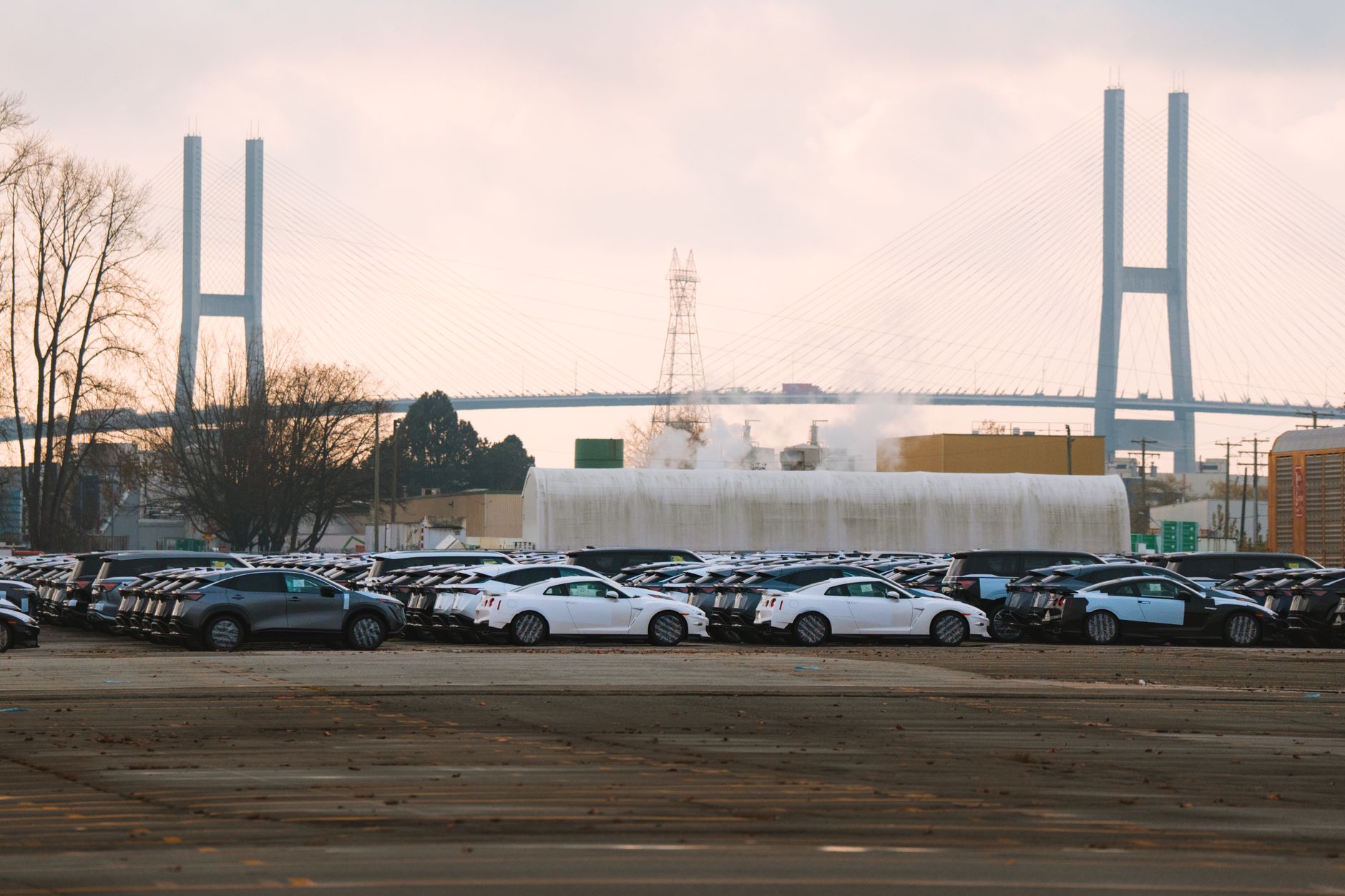
Starting in April 2025, a 25% tariff on imported passenger vehicles and a separate tariff structure on auto parts from key manufacturing partners went into effect. The immediate result: OEMs cut allocations, some import-heavy models dried up within 60 days, and domestic production couldn’t absorb the gap fast enough.
For dealers, this translated to three simultaneous problems. Day supply dropped on the models that actually move. Prices climbed, stretching payments beyond what many shoppers originally budgeted. And manufacturers began pulling back incentive support, since scarcity removed the urgency to discount.
The dealers who felt this least were not the ones with the best manufacturer relationships. They were the ones who had already tightened their lead-response infrastructure before the crunch hit.
Why Fewer Cars on the Lot Means Every Lead Is Now Worth More
When you ran 200 leads a month with 120-day supply, a 15% close rate was acceptable math. You had options, customers had options, and wasted leads were a cost of doing business. That math is gone.
With constrained inventory, your floor traffic has thinned because there’s genuinely less to show people. Your CarGurus and Cars.com listings are shorter. AutoTrader visibility has dropped for stores that previously led with volume. The leads still coming in represent a higher-intent buyer — someone who searched, found you, and raised their hand despite knowing prices are elevated.
That buyer is more valuable than any lead you fielded in 2023. Treating them with a 4-hour email response and a follow-up call that goes to voicemail is not just a miss. It’s a structural problem.
The Hesitation Window: How Tariff Anxiety Creates a New Drop-Off Point in the Funnel
Here’s what’s new about the tariff-era buyer: they submit the lead in a moment of intent, then immediately enter a second-guessing loop. They’ve read headlines about prices going higher. They’ve seen Reddit threads about waiting for tariffs to be repealed. They’ve texted a friend who told them to hold off.
The window between lead submission and regret-driven withdrawal used to be measured in days. Now it’s measured in hours. If your VinSolutions or eLead CRM shows a lead sitting uncontacted for 90 minutes, that buyer has already moved on mentally — even if they haven’t physically gone to a competitor yet.
Why Fairfax County Dealerships Lose Leads to Slower Rivals documented this pattern before tariffs made it worse. The underlying dynamic is identical: the first credible response wins, and credible means fast, personalized, and not a generic “thanks for your interest” autoresponder.
What BDC Teams Are Getting Wrong Right Now (Treating Tariff Leads Like Normal Leads)
The most common mistake BDC managers are making in 2025 is using the same playbook they ran in 2022 — aggressive pricing negotiation as the primary follow-up hook. In a tariff environment, that framing backfires.
A buyer who is already anxious about price doesn’t need a BDC rep leading with “I can get you an amazing deal.” They need acknowledgment that yes, market conditions are weird right now, followed by a specific, honest answer about what’s actually available and at what payment. Vague optimism reads as sales pressure. Specificity reads as trustworthiness.
BDC teams that haven’t updated their call guides and text templates for tariff-era conversations are losing deals to silence — not to competitors. The buyer just disengages. They tell themselves they’ll “check back in a few months.” They rarely do.
How AI Closers Handle Price-Sensitive, Tariff-Anxious Shoppers Without Losing the Deal
The contrarian position worth stating plainly: tariff-driven inventory shortages are a gift to dealerships that invested in AI lead response. When every inbound lead is worth more, slow follow-up isn’t just a missed opportunity — it’s a fireable offense. And AI doesn’t have bad days, doesn’t take lunch, and doesn’t forget to follow up on a Saturday afternoon lead that comes in at 4:47 PM.
Synthevo’s AI Closer handles tariff-anxious shoppers by doing what an overextended BDC rep rarely has time to do: making contact within minutes, acknowledging market conditions without panic, presenting specific inventory, and qualifying payment range before a human ever picks up the phone. By the time your sales manager sees the conversation, the buyer has already answered the questions that usually kill deals in the first call.
Dealerships running Synthevo today — including the team at Vanguard Auto Group, a 50-plus rooftop operation in Sterling, VA — have seen inbound leads converted to appointments at rates that would have seemed unrealistic under normal inventory conditions. The reason is simple: when a buyer who is already anxious gets a fast, specific, human-sounding response, their anxiety converts to momentum.
Does SMS Automation Actually Convert Dealership Leads? breaks down the channel-level data, but the short answer is yes — SMS with a fast first response dramatically outperforms email alone, and in the tariff era, that speed gap matters more than ever.
The Inventory Scarcity Playbook: Using AI to Triage and Prioritize High-Intent Leads First
Not all leads carry equal weight in a constrained market. A buyer who specifies a model, trim, and monthly payment target is a different conversation than someone who browsed your homepage and submitted a general inquiry. Your BDC team knows this intellectually but rarely has the bandwidth to act on it in real time.
AI triage changes that. Synthevo scores inbound leads by engagement signal — form completion depth, the specificity of the vehicle inquiry, prior site behavior pulled from your CRM — and surfaces the highest-intent conversations first. In a full-inventory market, this was a nice-to-have. In a market where you may have three units left of the model someone wants, routing that lead to a human within four minutes is a competitive weapon.
| Lead Type | Old Market Response Time | Tariff-Era Target | Risk of Delay |
|---|---|---|---|
| Specific model + payment range | 2–4 hours | Under 5 minutes | Extremely high |
| General inquiry, browsed multiple models | 4–8 hours | Under 30 minutes | Moderate |
| Trade-in valuation only | 24 hours | Under 2 hours | Low-moderate |
Real Talk: Will Tariffs Hurt or Help Dealerships That Invest in AI Now?
Objection handled: “We’re going to wait until the tariff situation stabilizes before making any new technology investments.”
This is the most understandable position and the most expensive one. The dealers who pull back on infrastructure during a demand disruption are the same ones who struggle to rebuild momentum when conditions normalize. Tariffs will shift — they always do. When they ease and inventory rebounds, the dealers with tight lead-response infrastructure will absorb the volume surge cleanly. The ones who waited will be scrambling to hire BDC staff into a tight labor market while their AI-enabled competitors are already booking appointments.
Additionally, as Google AI Mode Is Live: What It Means for Dealership Leads explains, search behavior itself is changing. Buyers are doing more pre-qualification through AI-powered search tools before they ever submit a lead. The leads that do arrive are further down the decision path. Responding to them slowly is a worse mistake now than it was 18 months ago.
Action Steps for GMs This Week
If you manage a rooftop or a group and you’ve read this far, here is what to do before Friday:
- Pull your average lead response time from VinSolutions or eLead. If it’s over 15 minutes for any channel, you have a structural problem that tariffs just made more expensive.
- Audit your BDC call guides. Do they acknowledge current market conditions honestly? If your scripts haven’t been updated since 2024, they’re actively hurting close rates.
- Check your text-response coverage on nights and weekends. That’s when tariff-anxious shoppers are browsing and second-guessing. If you’re going dark from 6 PM to 9 AM, you’re handing those leads to whoever responds first.
- Map your inventory by lead volume. Which models are you taking the most leads on, and how many units do you actually have? This tells you exactly where AI triage should be focused first.
- Talk to a team that has already done this. The learning curve for dealerships that waited is steeper than the one for early movers.
Tariffs are a market condition. Lead response time is a choice. If you want to see how Synthevo handles tariff-era lead conversations end to end, request access to our live demo and we’ll walk you through a real conversation flow built for exactly this market.
Ready to see it?
Your next lead is texting right now.
Stop letting after-hours leads die in the inbox. Tell us about your store and we'll text you a live demo of Synthevo's AI Closer — usually within 30 seconds.